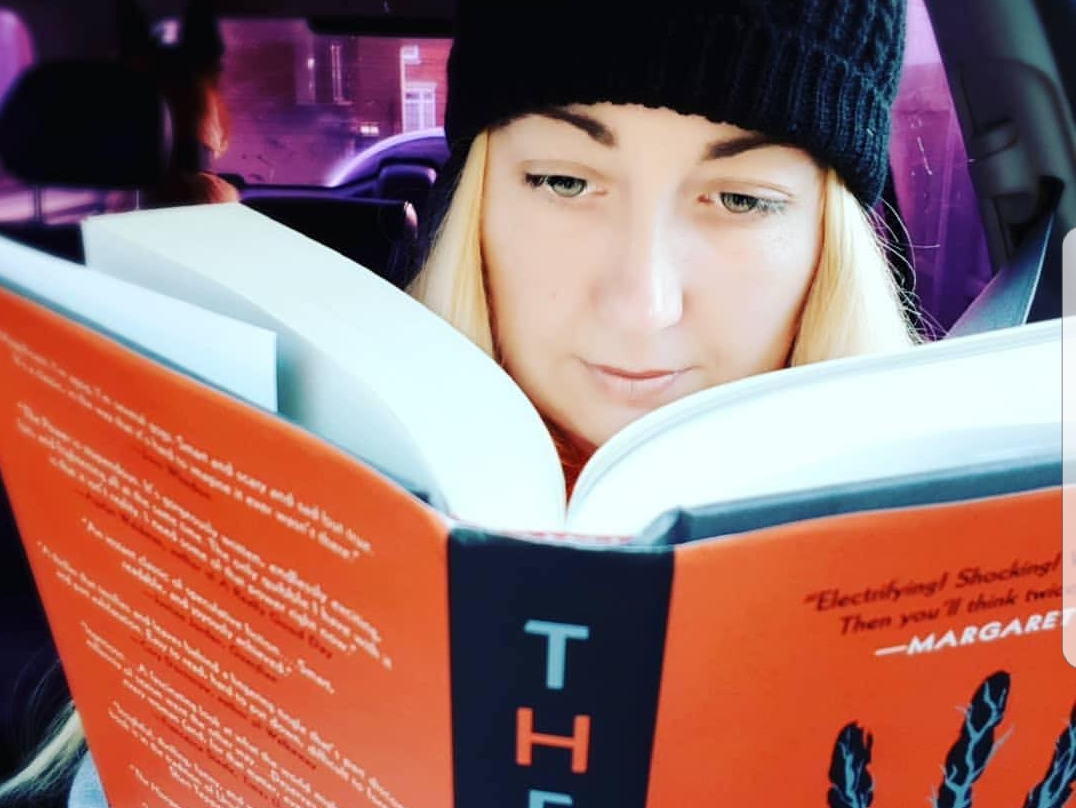
Bridget Collins, already celebrated for the dark magic and intricate world-building of her previous novel, The Binding, makes a triumphant return with The Naked Light. This is a book that refuses easy categorisation, operating as a literary mystery, a psychological thriller, and a lush piece of historical fiction all at once. For the reader, like me, who typically shies away from period dramas, this novel is not merely an unexpected treat, but a revelation. It manages to feel completely fresh, replacing the potential dryness of historical accuracy with an intoxicating, atmospheric sense of immediate mystery and impending danger.
A Portrait of a City: London in the 1930s
The novel’s most compelling character is arguably its setting: 1930s London. Collins saturates the narrative with the intoxicating sensory details of the era, from the acidic sting of darkroom chemicals to the smoky allure of jazz clubs and the grim realism of Fleet Street’s back alleys. It is a city of stark contradictions, the glamour of burgeoning modernity clashing with the lingering shadows of post-WWI austerity.
Collins uses this backdrop not for mere window dressing, but as a critical element of the plot. The financial precariousness and the strict social hierarchies of the 1930s directly inform the choices made by the characters, particularly women navigating male-dominated professional spaces. The city itself becomes a theatre of ambition, where success is not guaranteed by talent but dictated by connections, privilege, and luck. This historical context provides a necessary grit and realism, elevating the story beyond simple escapism and giving the psychological stakes a real-world weight.
Vera’s Vicious Hunger: Ambition and the Lens
At the heart of the story is Vera, a young, ambitious photographer determined to break into the cutthroat, male-dominated world of Fleet Street journalism. Her camera is not just a tool; it is an extension of her ambition, her weapon against the obscurity of her past, and the only way she knows how to interact with the world. She possesses a ruthless drive, a hunger that is both professional and intensely personal. This psychological profile is where the novel truly shines.
Vera’s quest is singular: to secure an exclusive story with the controversial, reclusive artist, Arthur Freyne. This pursuit is fueled by a desperate need for validation and recognition, pushing her to take risks that blur the line between ethical journalism and outright obsession. Her journey is a sharp commentary on female ambition in a restrictive age, asking what a woman must sacrifice or consume to achieve prominence. Vera is not a flawless heroine; she is calculating, driven, and often compromised, making her pursuit of Freyne far more gripping than a standard search for answers. Her choices force the reader to confront how much they are willing to forgive a protagonist whose drive mirrors their own desire for the truth.
The Obsessive Labyrinth of Art and Mystery
Vera’s search for Freyne leads her deep into a bohemian, secretive community, a world of artists, muses, and patrons living outside conventional society. Here, the central mystery blossoms. The line between artistic inspiration and dangerous obsession blurs entirely, and the story shifts definitively into a gripping psychological thriller.
Freyne, the subject of the investigation, is a captivating and disturbing figure, and his art is linked to secrets this community desperately wants to keep buried. As Vera gets closer to her target, she must confront the possibility that the very act of capturing the truth in a photograph might shatter the fragile reality of those around her and her own. The novel meticulously maintains a deep sense of menace and suspense. Every conversation, every photograph taken, and every dark corner explored feels loaded with consequence. Collins expertly utilizes misdirection, building suspense not through jump scares, but through the slow, agonizing realization that Vera is trapped in a web of lies more extensive and complex than she ever imagined. The novel becomes a meditation on the nature of light what is revealed, and what is hidden, both in a photograph and in a human soul.
A Triumph of Prose and Pacing
Bridget Collins’s writing style is the final, undeniable triumph of The Naked Light. Her prose is simply exquisite dense, evocative, and yet perfectly paced. She creates an intensely visceral experience, allowing the reader to smell the damp London streets and feel the cold resolve of Vera’s ambition.
Unlike some historical fiction that can feel weighed down by research, Collins uses her meticulous research to enhance the atmosphere, never distracting from the character-driven psychological drama. The novel is structurally sound, moving with the precision of a photographic exposure slowly focusing on the details before delivering a sharp, shocking clarity in the final act. It demonstrates a maturity in her craft, building tension through internalized conflict and atmospheric dread rather than relying on external plot devices.
Final Verdict: Beyond the Genre
The Naked Light is not just a gripping tale; it is a smart, complex novel about the compromises we make for our art, the blinding hunger for fame, and the cost of ambition. For a reader who typically avoids historical settings, this book serves as a perfect introduction, proving that history can be the most compelling backdrop for a truly unputdownable, modern psychological drama. It is a stunning, sophisticated achievement that confirms Bridget Collins as a master of atmospheric literary suspense.
 One More Chapter