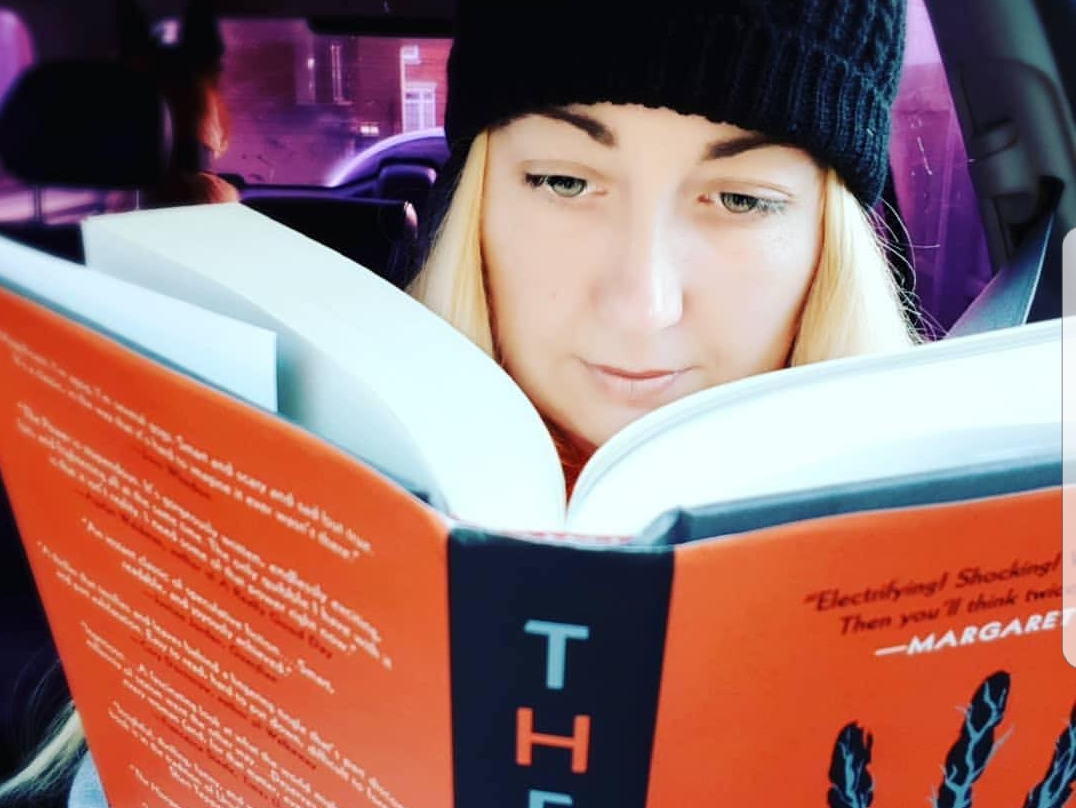
Let’s talk chapters. Not the kind you skip in textbooks (we’ve all been there), but the ones that shape the rhythm of your favorite novels. You know that moment when you finish a chapter and think, “Just one more…”—only to realize it’s 2 a.m. and you’ve read five more? That’s the magic of pacing, and chapter length plays a huge role in it.
Lately, I’ve noticed something about my reading habits. I’m gravitating toward books with shorter chapters. It feels easier, more manageable, and honestly, more fun. But it got me thinking, why do some authors still prefer longer chapters? What’s the appeal? And how does chapter length affect how we read?
Why Some Authors Prefer Longer Chapters
Long chapters can be a storytelling powerhouse. They allow authors to build tension slowly, deepen character development, and create immersive scenes without interruption. With more space, writers can maintain narrative flow and guide readers through a deliberate rhythm. This is especially true in literary fiction or epic fantasy, where the journey is just as important as the destination.
Think of authors like Donna Tartt or George R.R. Martin. They’re not afraid to let a chapter stretch its legs. For readers who love sinking into a world for hours, long chapters can feel like a luxurious deep dive.
The Downsides of Long Chapters
But here’s the catch. Long chapters can feel like a commitment. And in today’s world of multitasking, short attention spans, and constant interruptions, that commitment can be a dealbreaker.
It’s harder to find stopping points. If you’ve only got ten minutes before your next meeting or your toddler wakes up, a thirty-page chapter might not be feasible. Long chapters also offer less flexibility. They can make it harder to read in short bursts, which is how many of us read these days on the train, during lunch, or before bed. And if a chapter drags or feels bloated, it can slow down the entire reading experience and even cause a DNF.
The Rise of Short Chapters (And Why I Love Them)
Short chapters are having a moment and I’m here for it.
There’s something incredibly satisfying about breezing through a few chapters in one sitting. It gives you a sense of progress, even if you’ve only read for fifteen minutes. You feel accomplished. You feel like a reader on a roll.
Short chapters offer quick wins. Each one feels like a mini milestone. You’re more likely to keep going because it’s “just a few more pages.” They’re perfect for busy lives. Whether you’re commuting, parenting, or just juggling a million things, short chapters fit into your day. And they create psychological momentum. You’re more likely to say “just one more” when the next chapter is only five pages. It’s like literary pringles you can’t stop at one.
I’ve found that I read more when chapters are short. I’ll blow through five or six without even realizing it. And if I get interrupted? No big deal, I can pick up where I left off without losing the thread.
Does Chapter Length Affect When You Read?
Absolutely. If I know a book has long chapters, I’m less likely to start one unless I have a solid chunk of time. That means I might only read at night or on weekends. But with short chapters? I’ll sneak in a few during lunch, while waiting for pasta to boil, or even in the car (parked, of course).
Short chapters make reading feel accessible. They lower the barrier to entry. You don’t need to carve out an hour you just need five minutes.
And if you’re someone who’s frequently interrupted (hello, real life), short chapters are a lifesaver. You can pause without guilt, knowing you’ve finished a thought. You’re not stuck mid-scene, wondering what happened when you come back.
What Authors Might Consider
For writers, chapter length is a strategic choice. It’s not just about word count—it’s about reader experience.
Genre plays a role. Thrillers and YA novels often favor short chapters to keep the pace snappy. Literary fiction might lean longer for depth and nuance. Audience habits matter too. If your readers are likely to be busy professionals, parents, or students, shorter chapters might help them stay engaged. And the narrative structure matters. Some stories naturally lend themselves to shorter beats especially if you’re switching points of view or timelines.
Ultimately, there’s no “right” length. But understanding how chapter size affects reading behavior can help authors connect more deeply with their audience.
Team Short Chapters?
So, where do I land? These days, I’m firmly on Team Short Chapters. They fit my lifestyle, keep me engaged, and make reading feel like a joy instead of a task.
But I still appreciate the artistry of a well-crafted long chapter. When done right, it’s like a slow-cooked meal rich, satisfying, and worth the time.
Whether you’re a reader who loves bite-sized brilliance or a writer crafting epic scenes, chapter length is more than a formatting choice. It’s a storytelling tool. And like any tool, it works best when used with intention.
Now if you’ll excuse me, I’ve got “just one more short chapter” to read.
 One More Chapter