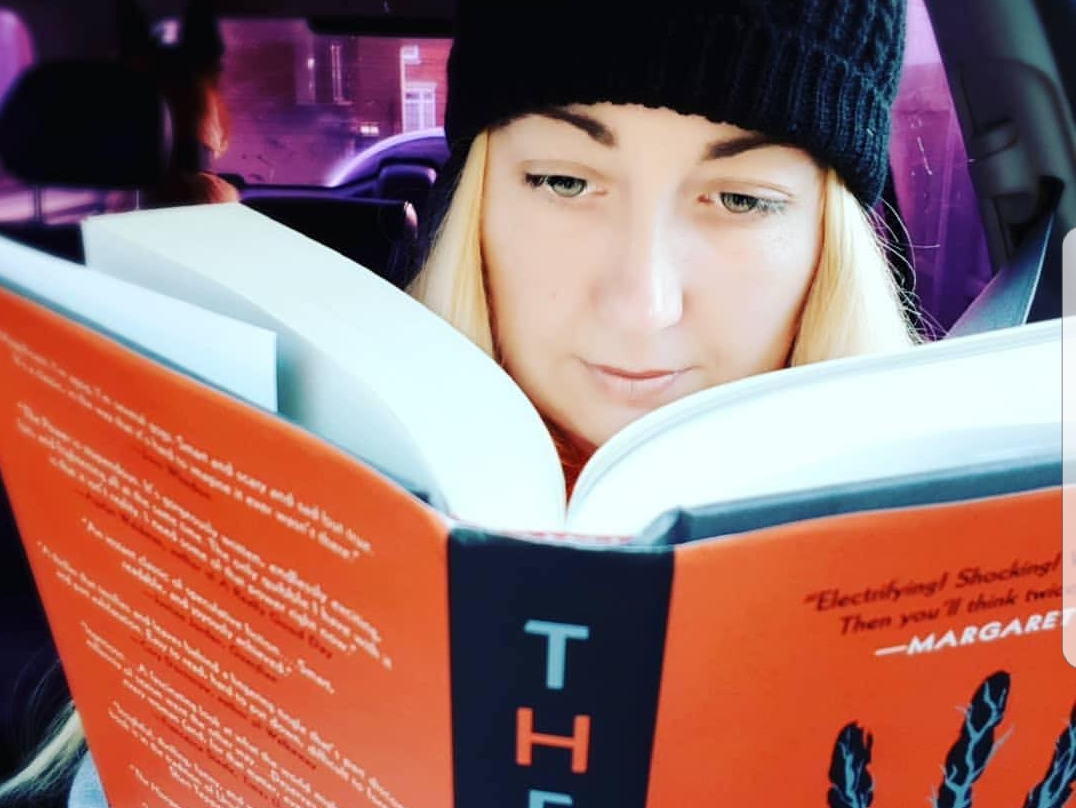
There’s an inherent magic in reading a book, a magic that transforms ink and paper into vivid tapestries of imagination. The experience is deeply personal, allowing us as readers to interpret the characters, settings, and emotions in ways that resonate uniquely, But when it comes to turning these beloved tales into movies, the charm often gets lost in translation, especially when it involves bestselling books like “Twilight,” Harlan Coben’s thrillers, or Cheryl Strayed’s “Wild.”
The Imagination Paradox
Big-name books come with a heavy load of expectations. With millions of fans, everyone already has a preconceived vision of how the story should unfold. When these narratives transition from page to screen, they often fall short, becoming mere shadows of the intricate worlds readers created in their minds. Films, no matter how well-made, are one person’s interpretation of the story—a director’s vision that inevitably clashes with each reader’s personal imagination. There are some excpetions where storytellers and directors create a clear output that becomes a hit, The Birds specifically but also some of Ian Flemmings work – although sucess might be due to studio budges and leading actors.
Movies made from lesser-known books, however, do not carry the same baggage. These adaptations allow the filmmakers more creative freedom to interpret the story without the pressure of legions of fans scrutinizing every detail. As a result, the film can breathe new life into the narrative, providing a fresh perspective that complements the original text without competing against the strong, pre-existing visions held by the audience.
Bestselling Constraints
Bestselling novels, by their very nature, have mass appeal. Their adaptations often cater to a broad audience, sometimes compromising depth and nuance to achieve blockbuster success. The storytelling becomes more about hitting the high notes that made the book a bestseller rather than delving into the subtleties that made it a beloved read.
Consider the “Twilight” series. Stephanie Meyer’s books captivated millions with their mix of romance and supernatural elements. The films, however, were bogged down by the need to satisfy the wide fan base, resulting in a somewhat shallow portrayal that failed to capture the books’ deeper emotional undercurrents. For many readers Bella and Edward were end game. there was no question – but when the movie came out all of a sudden there was #Team Jacob. Similarly, adaptations of Harlan Coben’s works tend to prioritize thrilling plot twists over character development, often losing the intricate psychological layers that define his storytelling.
Another victim of this sucess is Wild. Best captured in the gilmore girls, a year in the life scene when Loreli is ‘doing wild’ and has to confirm if shes a book or movie wild person. Whilst our imagination world builds for us we dont have that option with a film – and often lose more of the story than we gain in visuals.
Case in Point: Bones and Scarpetta
Take the example of “Bones,” based on Kathy Reichs’ Temperance Brennan series. The potential for an engaging TV series was enormous, given the rich source material. However, as the series progressed, it gradually veered into melodrama and cliché, overshadowing the forensic brilliance that made the books stand out.
If like me you are a fans of Patricia Cornwell’s Kay Scarpetta series join me in holding your breath as its television adaptation looms. My fear is that the show will follow the same trajectory as “Bones,” sacrificing the meticulous forensic details and complex character studies for more digestible, albeit less fulfilling, drama. I think is that the TV series might never capture the intense, gripping essence of Scarpetta’s world that readers have cherished.
The Unseen Gems
Conversely, films based on lesser-known books often thrive because they come with fewer preconceived notions and a clean slate. Filmmakers can take creative liberties, molding the narrative to fit the cinematic form while staying true to the book’s essence. These adaptations can surprise audiences, offering a new dimension to stories they might not have discovered otherwise.
For me a great example of this is Jumunji. Altough based on a 1985 childrens book I have yet to meet someone who has ever read it ( but now it is on this years TBR list just our of interest). I acknowledge a large part of the films success is the developments of special effects at the time and Roin Williams part as Alan Parrish however I think had the book have been a bigger sucess the film goers would have been critical of the end product.
While bestselling books have a guaranteed audience, their cinematic versions often buckle under the weight of expectation and commercial pressures. On the other hand, movies adapted from lesser-known works have the potential to shine, unburdened by the shadows of their literary fame. They remind us that sometimes, the best cinematic experiences come from the stories we least expect, offering fresh, uncharted territories for our imaginations to explore.
 One More Chapter